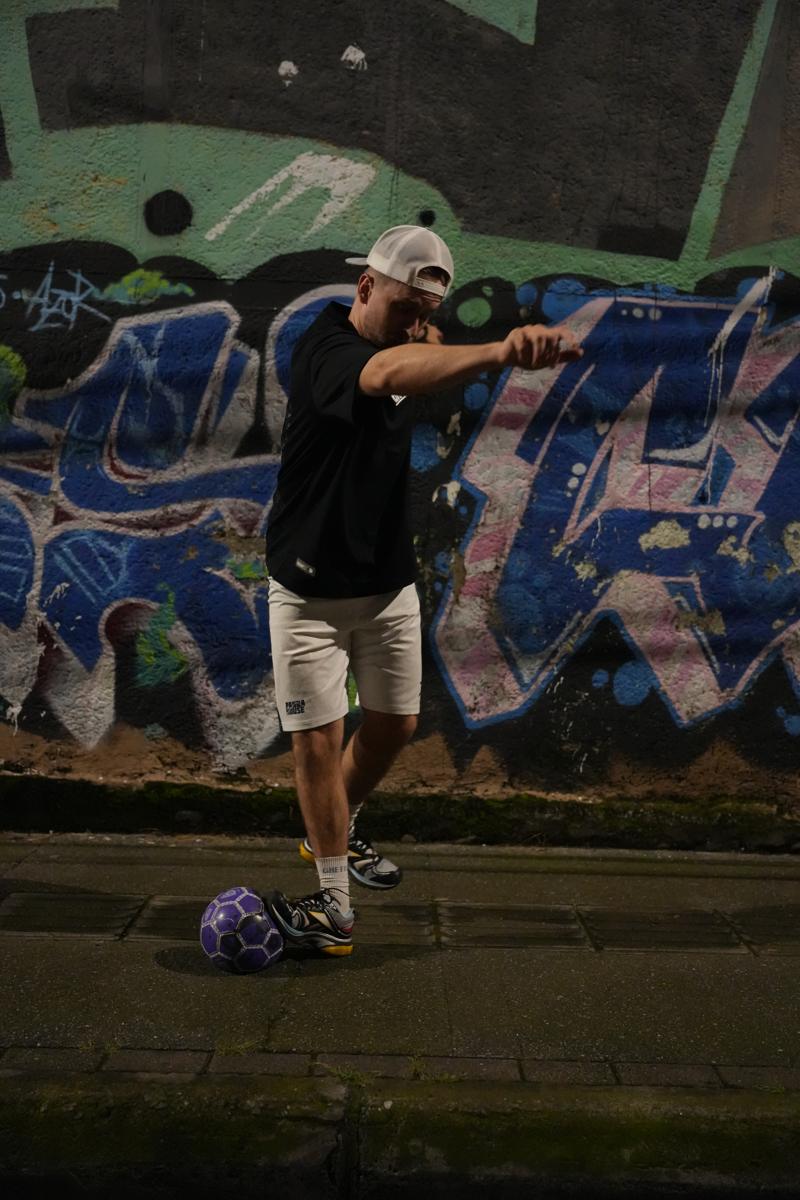
What can you practise on your own?
Time alone with the ball is a chance to get comfortable, experiment and find movements you enjoy. Roll it with the sole of your foot, change direction with the inside and outside, and give both feet a turn. Try bringing the ball back towards you, then taking it somewhere new. If it keeps getting away, slow down and make the touch smaller.
Pick a move that makes you want to play. Watch the first few touches, try them slowly, then see if you can put them together. Once they feel familiar, change the ending or connect them to something you already know. You’re allowed to explore before you can do it neatly.
You can work on control, balance and the movement behind a panna this way. The timing of getting it past someone comes from playing a person who can react. Let solo practice and playing together feed into each other from the start.
Build a foundation you can take anywhere
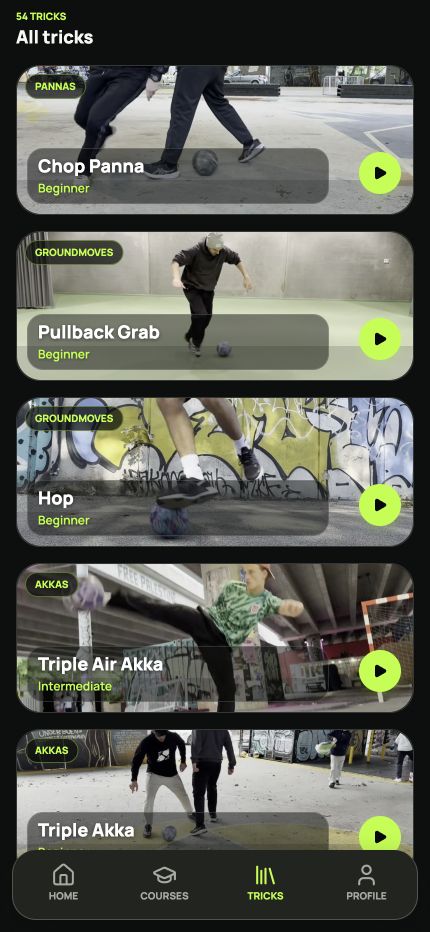
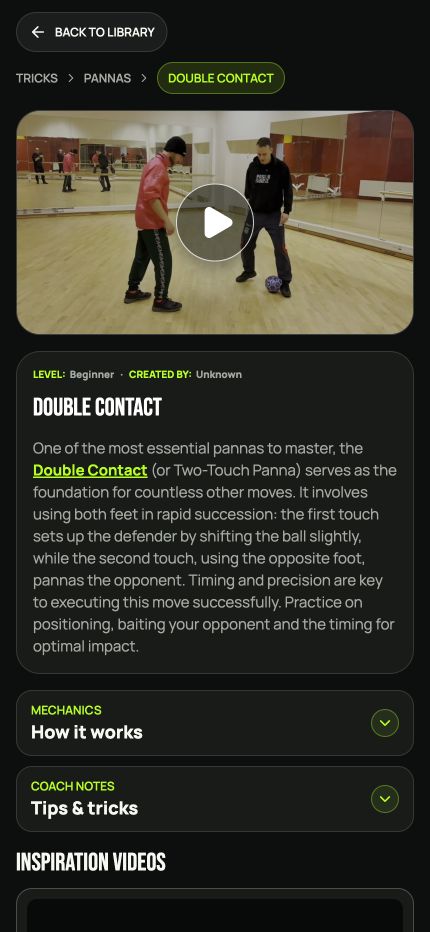
If you want some guidance, the entire Street Football Starter Pack is free to access in the Pannahouse Academy app. Getting Comfortable on the Ball and the Pullback lessons give you somewhere to begin, with movements you can take outside and practise at your own pace.
For more ideas, browse the Academy’s trick library and find a move that catches your eye. Use a lesson when you need an idea or a closer look at a touch. Watch, try it with your ball, then return to the part you haven’t figured out. You don’t need to finish a course before joining a session or sharing a clip. Learning the skills and finding your people can happen together.
Turn the clips you watch into conversations
Instagram and YouTube can be more than places to watch someone else’s best moves. Follow players whose style you enjoy and look at who they train with, the events they visit and the people they credit. Those connections can help you discover more of the scene.
Ask a specific question: “What’s your first touch doing there?” or “How did you learn that turn?” If you feel like sharing your own attempt, show the part you’re working on and ask for one piece of feedback. An unfinished move gives people something to talk about too.
Try a move another player has shared, credit where the inspiration came from and let them see your version. Encourage someone else who’s learning. You can contribute to the culture while you’re still finding your own style.
Find people near you, or invite someone in
Search for panna or street football alongside your town or city. Look for recent posts from local players, open sessions, workshops and events. Ask an organiser or player where people meet and whether you can come along as a beginner. If you’re in Denmark, Pannahouse’s association website is a place to look for training and activities.
You can go to an event to watch, ask questions and meet people before you decide to compete. A simple “I’ve just started learning, can you show me that?” gives you a way into the conversation.
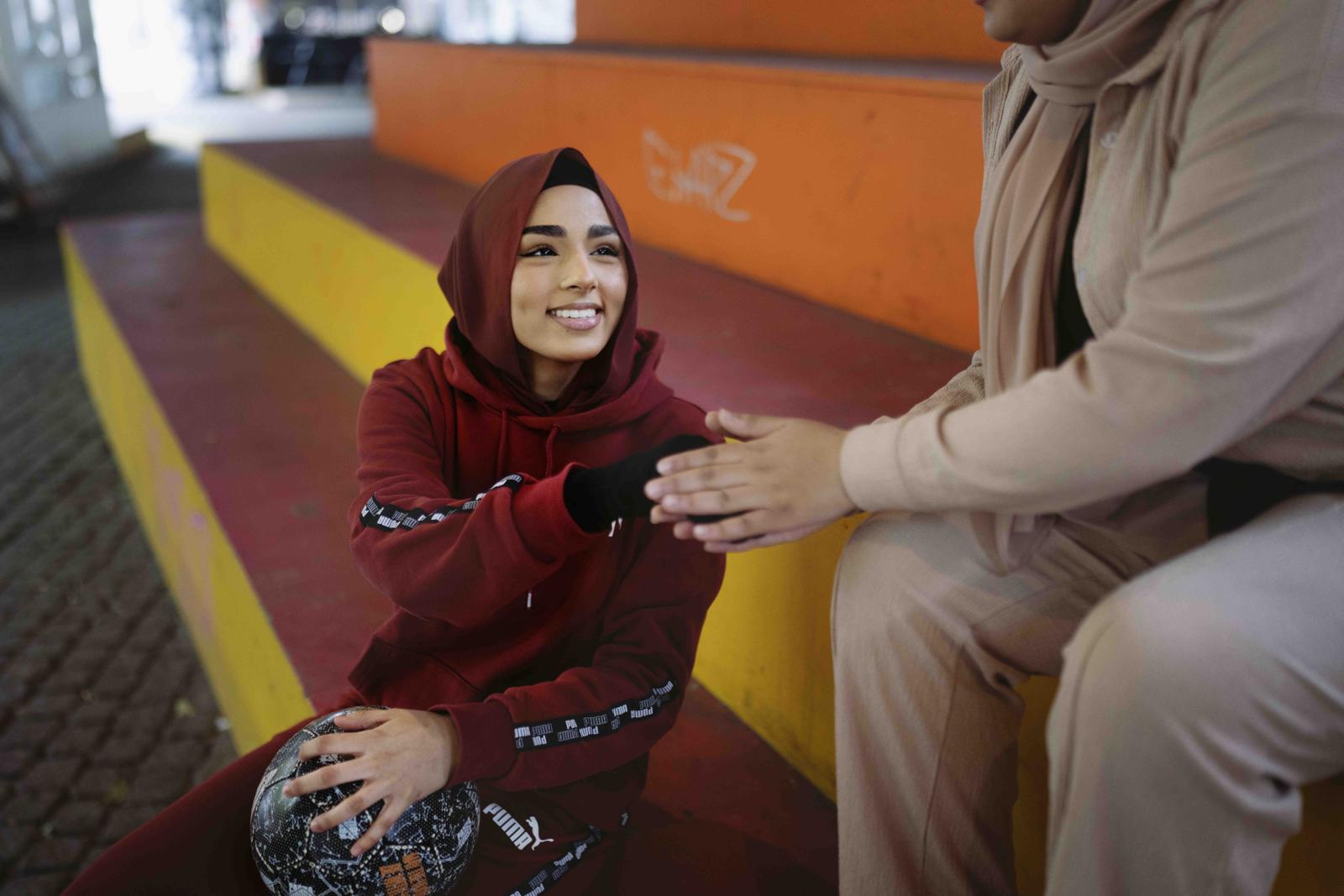
If you can’t find a local group, start with one friend. Bring a ball to a public court, show them something you’ve been trying and swap turns. They don’t need to know panna already. Share a clip with each other, choose something to try next time and give yourselves a reason to meet again.
That was Kristoffer Liicht’s starting point too. Looking at Denmark’s panna scene today, it can be hard to imagine that he began without an established local panna culture to join. Pannahouse grew from friends coming together around a ball, with more young people wanting to learn and take part. It took time. If there isn’t a scene where you live yet, the people you start playing with could become the beginning of one.
Keep something for yourself. Bring something to share.
The move you find while playing alone can become the thing you show someone at your next session. Their reaction might give you a new idea to take home. A conversation online can lead you to a player nearby, or introduce you to a completely different style.
For now, choose a move you want to explore and one way to connect: ask a player a question, share an attempt or invite a friend to play. You don’t need a finished repertoire to have something to offer.
Ready to try your touches in a game? Read our guide to learning panna. If a move keeps breaking down, work through these common panna mistakes.